
Barney
It had been a hot day. Swelteringly hot. The sun had baked down on the remains of the village and even the grass was gasping. There was no life. Nothing to be seen. No birds, no dogs, no people – nothing. Just silence. It was so quiet you could almost hear the sunbeams hit the ground, rattling the dust.
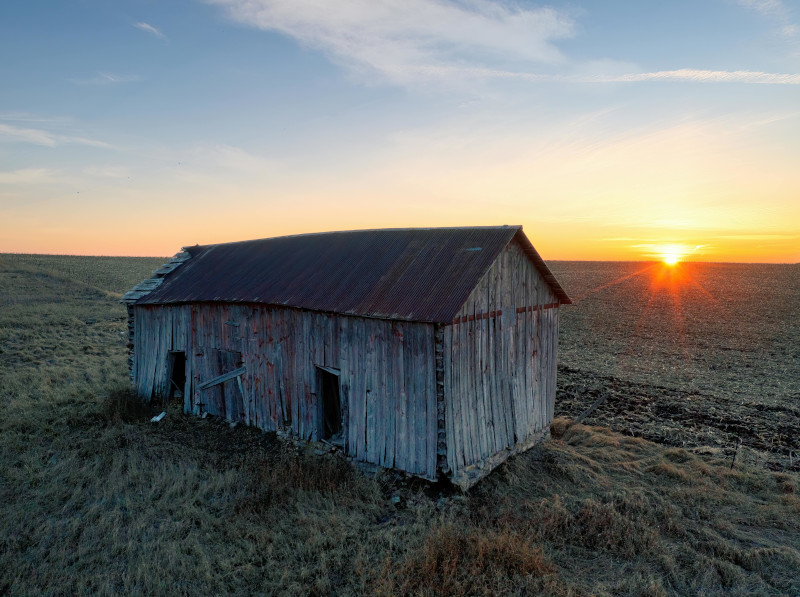
There was an old barn there. Inside, the sunlight was mellow but still rather poignant, and columns of dust stood hovering in the air. It was almost quieter in here. The air in the corners was grey and still and felt like it had been used over and over again for centuries. Like it had never moved. If you looked closely – and if you used your second sight – you might notice that some of the air was sort of thickened. Like denser. Like – it almost made up a shape. And if you looked even closer you might even see it move. Only now it didn’t. It was as still as the dust. Sleeping in fact. Well, if you could call it sleep. No consciousness was present, that was it. But soon there would be. And when present it would call itself Barney and be the local ghost.
He hadn’t always been called Barney, but he lived in the barn now, so… he really didn’t remember much about what had been before. There were vague memories of living in a house with a family and then the war came, and there were burning houses and screams in the night and then… just silence and a world that had suddenly turned all grey and misty and so very, very quiet. And his memory had blurred and refused to play back what had been before. He had just sort of woken up and found himself in an old barn with the remains of a village around it.
It had been quiet like this for ages now. No one had come, no one had lived there for… he had no idea how long. After the burning there had been nothing. Nothing at all. Just him and dust and silence. A bird might pass through occasionally but they soon left. There was nothing to eat there. Grass had been growing all over the place but now only sparsely as if it didn’t really want to be there. He knew that if he looked around, he might find bones on the ground. Bones of horses and dogs and people. White and crumbling and broken as the wind had swept them around knocking them into stones or buildings. Or rather the remains of buildings. Everything was broken down, withered by wind and sun.
Barney had no idea why he was there. No idea how he might get away. He had a feeling that when he was asleep, he was somewhere else. Somewhere in another time with lots of people and colours and sounds. In a big city. Buildings so high he could hardly see the sky. But when he woke up, he couldn’t remember anything properly. Not so that he could think about it. It was all fuzzy. It had become stronger, though. Sometimes when he walked around, he would recognize the colours or remember things like windows or streets. There were shops. Things. Things moving about without horses. Dreams were like that. All weird and unreal.
He had slept more and more lately. And the dreams had become more vivid. More consistent. He felt like a child again, being carried around by people smiling at him and pointing out things to him. And he looked and looked and it felt familiar but still very strange. And slowly and gradually his days in the barn became more blurred, more unfocused, and his shape went fuzzy at the edges blending more and more into the dust. And Barney dreamed ever more detailed about playing, being with people, of wobbly steps and trying to talk. And the Barney in the barn faded until there was nothing left but a slight shimmer in the air, like an imprint in light. And another Barney lived with his parents who couldn’t quite remember why they had nicknamed him Barney when he was only hours old. And Barney couldn’t quite remember the odd dreams he had had when he was very young, of a barn and a dusty, ruined village and sometimes of fire and running in the night, and he was far too young to tell, anyway.
Included in ‘Dancing on the Doorstep’